Vergleich
Apple iPhone 18 Pro Max vs Google Pixel 11 Pro Fold
Wähle das Apple iPhone 18 Pro Max für Preis; wähle das Google Pixel 11 Pro Fold für kabelloses Laden, Gewicht, Helligkeit, Zoom, Google-Apps.
Die wichtigsten Unterschiede
- Das Apple iPhone 18 Pro Max ist 229 € günstiger (1.499 € vs. 1.728 €)
- Schnelleres kabelloses Laden beim Google Pixel 11 Pro Fold: 25 W vs. 15 W
- Das Google Pixel 11 Pro Fold ist leichter: 239 g, 10 g weniger
- Das Google Pixel 11 Pro Fold hat das größere Display (8,0″ vs. 6,9″); das Apple iPhone 18 Pro Max lässt sich besser mit einer Hand bedienen
- Das Display des Google Pixel 11 Pro Fold ist heller: 3.600 Nits Spitze vs. 3.000 Nits
- Das Google Pixel 11 Pro Fold zoomt weiter: 5× optisch vs. 4×
- Chips: Apple iPhone 18 Pro Max mit A20 Pro, Google Pixel 11 Pro Fold mit Tensor G6
- Das Apple iPhone 18 Pro Max ist neuer: Sept. 2026 vs. Aug. 2026
- Das Google Pixel 11 Pro Fold hat Google Play; das andere läuft mit China-ROM ohne Google Play
| Merkmal | 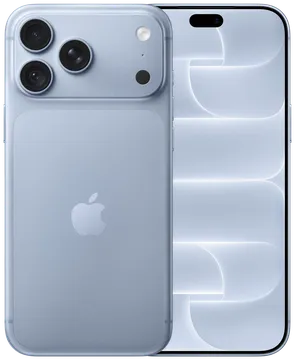 Apple iPhone 18 Pro Max | 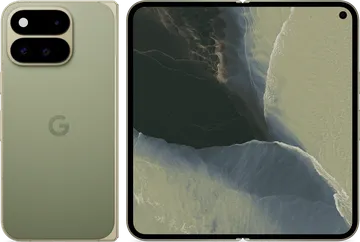 Google Pixel 11 Pro Fold |
|---|---|---|
| Preis | Ab 1.499 € | Ab 1.728 € |
| Gehäuse | ||
| Höhe × Breite × Tiefe | 163,4 × 78,0 × 8,75 mm | 155,2 × 76,0 × 10,1 mm |
| Gewicht | 249 g | 239 g |
| Rahmen | Aluminium-Unibody | Aluminiumlegierung (Luftfahrtqualität, satiniert); Scharnier aus Mehrfachlegierungsstahl mit Abdeckung aus Luftfahrt-Aluminium |
| Rückseite | Ceramic Shield | Matte Rückseite aus Verbundmaterial |
| Wasser- & Staubschutz | IP68 | IP68 |
| Farben | Schwarz, Silber, Gletscherblau, Burgunderrot | Oliv, Obsidian |
| Display | ||
| Größe | 6,9″ | 8,0″ |
| Auflösung | 1320x2868 | 2076x2152 |
| Pixeldichte | 460 ppi | 372 ppi |
| Seitenverhältnis | 19.6:9 | 9.3:9 |
| Bildwiederholrate | 120 Hz | 120 Hz |
| Spitzenhelligkeit | 3.000 Nits | 3.600 Nits |
| Paneltyp | Super Retina XDR OLED, adaptive ProMotion-Bildrate, Always-On-Display | Innen 8″ OLED (Super Actua Flex, 1–120 Hz); außen 6,5″ OLED 1080 × 2342, 399 ppi |
| Schutzglas | Ceramic Shield 2 (vorne) | Innen: ultradünnes Glas (UTG); außen: Glaskeramik |
| Leistung | ||
| Chip | Apple A20 Pro | Google Tensor G6 |
| Fertigung | 2 nm | — |
| CPU | 6 Kerne (2 Super- + 4 Effizienzkerne) | — |
| GPU | 7-Kern-GPU (mit Neural Accelerators) | — |
| RAM + Speicher | 256 GB · 512 GB · 1 TB · 2 TB | 16+256 · 16+512 · 16+1TB |
| Akku & Laden | ||
| Kapazität | — | 4.806 mAh |
| Videowiedergabe (Herstellerangabe) | 43 Std. | — |
| Kabelloses Laden | 15 W | 25 W |
| Kameras | ||
| Hauptkamera | 48-MP-Fusion-Hauptkamera, 24 mm, variable Blende ƒ/1,48–ƒ/4,0, Sensor-Shift-OIS der 2. Generation | 48-MP-Weitwinkel ƒ/1,70, 1/1,56″ |
| Ultraweitwinkel | 48-MP-Fusion-Ultraweitwinkel, 13 mm, ƒ/2,2, 120° | 10,5-MP-Ultraweitwinkel ƒ/2,2, 127°, Autofokus |
| Tele | 48-MP-Fusion-Tele, 100 mm (4×), ƒ/2,8, Tetraprisma, 3D-Sensor-Shift-OIS | 10,8-MP-Tele ƒ/3,1, 5× optisch, OIS |
| Frontkamera | 18-MP-Frontkamera mit Folgemodus, ƒ/1,9, Autofokus | Außen 10 MP ƒ/2,2; innen 10 MP ƒ/2,2 |
| Video | 4K Dolby Vision mit 120 fps (Fusion-Hauptkamera) | — |
| Kamera & Funktionen | ||
| Optischer Zoom | 4× | 5× |
| Verlustfreier Zoom | Bis zu 8× Zoom in optischer Qualität nach vorn, 2× optisch nach hinten (16× Bereich in optischer Qualität) | Optische Qualität bei 0,5×, 1×, 2×, 5×, 10× |
| Max. Digitalzoom | 40× | 30× |
| Kamerafunktionen | 4K mit 120 fps in Dolby Vision, ProRes RAW, ProRes bis 4K120 (externe Aufnahme), Apple Log 2, ACES, Genlock-Unterstützung, 48-MP-Makrofotos und Makrovideos, Variable Blende f/1,48–f/4,0, Räumliches Video 1080p30, Dual-Aufnahme bis 4K30, Kinomodus bis 4K60 in Dolby Vision | 4K mit 60 fps, Super Zoom bis zu 30×, Nachtsicht-Video, Video Boost, 10-Bit-HDR-Video, Makrofokus, Kamera-Coach, Magic Capture, Kamera-Looks, Zeitlupe bis zu 240 fps |
| Schnellladestandard | USB-C (mit AVS-Netzteil ab 60 W bis zu 50 % in ca. 15 Min.); MagSafe und Qi2 kabellos | USB-C PPS; Pixelsnap Qi2.2 kabellos |
| Netzteil im Lieferumfang | Nein | Nein |
| Fingerabdrucksensor | keine | Seitentaste |
| Gesichtsentsperrung | 3D | — |
| Stereolautsprecher | Ja | Ja |
| Kopfhöreranschluss | Nein | — |
| IR-Sender | Nein | — |
| Speicherkarte | Nein | — |
| eSIM | Ja | Ja |
| Satellit | keine | Notruf SOS über Satellit |
| Haptik | Haptic Touch | — |
| Kühlung | Vapor Chamber der nächsten Generation mit dreifacher Fläche des iPhone 17 Pro (laut Hersteller bis zu 40 % bessere Dauerleistung) | — |
| Spezialtasten | Aktionstaste, Kamerasteuerung | — |
| KI-Funktionen | Bereit für Apple Intelligence (Einführung in Festlandchina hängt von der Behördengenehmigung ab) | Gemini Intelligence, Gemini Nano, Gemini Live, Circle to Search, Live-Übersetzung, Anrufassistent, Kamera-Coach, Magischer Radierer, Bester Schnappschuss, Ich bin dabei, Magischer Audio-Radierer, Gebärdensprache (ASL) zu Text in Live Transcribe/Gboard |
| Google Play | n/a | ja |
| Sonstiges | NFC (Lesemodus, Expresskarten mit Gangreserve), UWB (Ultrabreitband der 2. Generation), Zweifrequenz-GPS, WLAN 7 (Apple N1), Bluetooth 6, MagSafe, IP68 (6 m, 30 Min.), Unfallerkennung, A20 Pro, C2-Modem, Zwei physische Nano-SIMs möglich (oder Nano-SIM + eSIM / Dual-eSIM) | NFC, UWB, Wi-Fi 7, Bluetooth 6, Zweifrequenz-GNSS, USB-C 3.2, Pixelsnap-Magnete (Qi2.2), HiLight-LED-Ring um den Blitz, Zahnradloses Scharnier, IP68, 5G mmWave, 16 GB RAM, 7 Jahre System- und Sicherheitsupdates |
| Konnektivität | ||
| 5G | Sub-6 GHz: FDD n1/2/3/5/7/8/12/20/25/26/28/30/66/70/75; TDD n38/40/41/48/77/78/79 | Sub-6: n1/2/3/5/7/8/12/13/14/20/25/26/28/29/30/38/40/41/48/66/70/71/75/77/78/79; mmWave n257/258/260/261 |
| Wi-Fi | WLAN 7 (802.11be), 2 × 2 MIMO, Apple N1 Chip | WLAN 7 (802.11be) (2,4/5/6 GHz) |
| Bluetooth | 6 | 6 |
| NFC | Ja | Ja |
| USB | USB-C, USB 3 (10 Gbit/s), DisplayPort | USB-C 3.2 |
| SIM | Dual-SIM (zwei Nano-SIMs oder Nano-SIM + eSIM oder Dual-eSIM) | Dual-SIM (eine Nano-SIM + eSIM) |
| Software & Marktstart | ||
| Betriebssystem bei Marktstart | iOS 27 | Android 17 |
| Updates | — | 7 Jahre System-, Sicherheits- und Pixel-Drop-Updates |
| Vorgestellt | 2026-09-09 | 2026-08-12 |
| Marktstart | 2026-09-18 | 2026-08-20 |
Häufige Fragen
Apple iPhone 18 Pro Max oder Google Pixel 11 Pro Fold: welches ist günstiger?
Das Apple iPhone 18 Pro Max ist 229 € günstiger (1.499 € vs. 1.728 €).
Apple iPhone 18 Pro Max oder Google Pixel 11 Pro Fold: welches ist leichter?
Das Google Pixel 11 Pro Fold ist leichter: 239 g, 10 g weniger.
Apple iPhone 18 Pro Max oder Google Pixel 11 Pro Fold: welches ist besser für Zoomfotos?
Das Google Pixel 11 Pro Fold zoomt weiter: 5× optisch vs. 4×.
Apple iPhone 18 Pro Max oder Google Pixel 11 Pro Fold: welche Chips stecken drin?
Chips: Apple iPhone 18 Pro Max mit A20 Pro, Google Pixel 11 Pro Fold mit Tensor G6.
Ähnliche Vergleiche
Apple iPhone 18 Pro Max vs Huawei Mate 90 Pro Max Collector's EditionApple iPhone 18 Pro Max vs Huawei Pura X MaxApple iPhone 18 Pro Max vs Samsung Galaxy S26 UltraApple iPhone 18 Pro Max vs Xiaomi 18 FoldGoogle Pixel 11 Pro Fold vs Huawei Mate 90 RS Ultimate DesignGoogle Pixel 11 Pro Fold vs Huawei Pura X Max Collector's EditionGoogle Pixel 11 Pro Fold vs Samsung Galaxy Z Fold8Google Pixel 11 Pro Fold vs Samsung Galaxy Z Fold8 Ultra
Daten von apple.com, apple.com.cn, blog.google und 2 weiteren offiziellen Seiten und Presseberichten; Preis geprüft am 2026-10-27; Seite aktualisiert am 2026-11-22.