Vergleich
Apple iPhone 18 Pro vs Huawei Mate 90 Pro Max Collector's Edition
Wähle das Apple iPhone 18 Pro für Preis, Gewicht; wähle das Huawei Mate 90 Pro Max Collector's Edition für kabelloses Laden, Helligkeit.
Die wichtigsten Unterschiede
- Das Apple iPhone 18 Pro ist 136 € günstiger (1.362 € vs. 1.499 €)
- Schnelleres kabelloses Laden beim Huawei Mate 90 Pro Max Collector's Edition: 50 W vs. 15 W
- Das Apple iPhone 18 Pro ist leichter: 211 g, 24 g weniger
- Das Huawei Mate 90 Pro Max Collector's Edition hat das größere Display (6,9″ vs. 6,3″); das Apple iPhone 18 Pro lässt sich besser mit einer Hand bedienen
- Das Display des Huawei Mate 90 Pro Max Collector's Edition ist heller: 12.000 Nits Spitze vs. 3.000 Nits
- Gleicher Zoom: jeweils 4×
- Chips: Apple iPhone 18 Pro mit A20 Pro, Huawei Mate 90 Pro Max Collector's Edition mit Kirin 9050 Pro
- Das Huawei Mate 90 Pro Max Collector's Edition ist neuer: Okt. 2026 vs. Sept. 2026
| Merkmal | 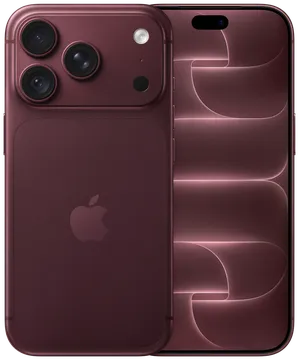 Apple iPhone 18 Pro | 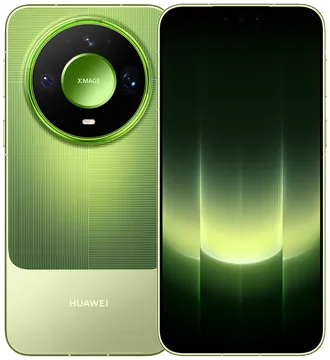 Huawei Mate 90 Pro Max Collector's Edition |
|---|---|---|
| Preis | Ab 1.362 € | Ab 1.499 € |
| Gehäuse | ||
| Höhe × Breite × Tiefe | 150,0 × 71,9 × 8,75 mm | 164,5 × 78,7 × 8,15 mm |
| Gewicht | 211 g | 235 g |
| Rahmen | Aluminium-Unibody | Einteiliges Gehäuse aus Titan |
| Rückseite | Ceramic Shield | — |
| Wasser- & Staubschutz | IP68 | IP68 (6 m) / IP69 |
| Farben | Schwarz, Silber, Gletscherblau, Burgunderrot | Florenzgrün, Roségold, Kristalldiamantweiß, Obsidianschwarz |
| Display | ||
| Größe | 6,3″ | 6,9″ |
| Auflösung | 1206x2622 | 1320x2848 |
| Pixeldichte | 460 ppi | 455 ppi |
| Seitenverhältnis | 19.6:9 | 19.4:9 |
| Bildwiederholrate | 120 Hz | 1–120 Hz (LTPO) |
| Spitzenhelligkeit | 3.000 Nits | 12.000 Nits |
| Paneltyp | Super Retina XDR OLED, adaptive ProMotion-Bildrate, Always-On-Display | Tandem-OLED, 1440 Hz PWM, 300 Hz Touch-Abtastrate, BT.2020 |
| Schutzglas | Ceramic Shield 2 (vorne) | Xuanwu-Kunlun-Glas |
| Leistung | ||
| Chip | Apple A20 Pro | Kirin 9050 Pro |
| Fertigung | 2 nm | — |
| CPU | 6 Kerne (2 Super- + 4 Effizienzkerne) | — |
| GPU | 7-Kern-GPU (mit Neural Accelerators) | — |
| RAM + Speicher | 256 GB · 512 GB · 1 TB · 2 TB | 16+512 · 16+1TB |
| Akku & Laden | ||
| Kapazität | — | 6.800 mAh |
| Videowiedergabe (Herstellerangabe) | 34 Std. | — |
| Kabelgebundenes Laden | — | 100 W |
| Kabelloses Laden | 15 W | 50 W |
| Reverse Charging | — | 18 W |
| Kameras | ||
| Hauptkamera | 48-MP-Fusion-Hauptkamera, 24 mm, variable Blende ƒ/1,48–ƒ/4,0, Sensor-Shift-OIS der 2. Generation | 50 MP, variable Blende f/1,4–f/4,0, OIS, RYYB (24 mm) |
| Ultraweitwinkel | 48-MP-Fusion-Ultraweitwinkel, 13 mm, ƒ/2,2, 120° | 40 MP f/2,2, RYYB (13 mm) |
| Tele | 48-MP-Fusion-Tele, 100 mm (4×), ƒ/2,8, Tetraprisma, 3D-Sensor-Shift-OIS | 200-MP-Tele mit großem Sensor f/2,6, OIS, Makro, RYYB, 4× optisch (89 mm) |
| Frontkamera | 18-MP-Frontkamera mit Folgemodus, ƒ/1,9, Autofokus | 13-MP-Ultraweitwinkel f/2,0 mit Autofokus + 3D-Tiefenkamera |
| Video | 4K Dolby Vision mit 120 fps (Fusion-Hauptkamera) | 4K (3840x2160) |
| Kamera & Funktionen | ||
| Kamera-Partner | — | XMAGE |
| Optischer Zoom | 4× | 4× |
| Verlustfreier Zoom | Bis zu 8× Zoom in optischer Qualität nach vorn, 2× optisch nach hinten (16× Bereich in optischer Qualität) | 8× Zoom in optischer Qualität |
| Max. Digitalzoom | 40× | 100× |
| Telekonverter-Set | — | HUAWEI XMAGE Z10 Modulkamera |
| Kamerafunktionen | 4K mit 120 fps in Dolby Vision, ProRes RAW, ProRes bis 4K120 (externe Aufnahme), Apple Log 2, ACES, Genlock-Unterstützung, 48-MP-Makrofotos und Makrovideos, Variable Blende f/1,48–f/4,0, Räumliches Video 1080p30, Dual-Aufnahme bis 4K30, Kinomodus bis 4K60 in Dolby Vision | 200-MP-Tele mit großem Sensor und Makro, 18 EV Dynamikumfang der Hauptkamera (Labor), Variable Blende f/1,4–f/4,0, Video-Log, HDR-Vivid-Video, 20× Tele-Video, 4K-Video |
| Schnellladestandard | USB-C (mit AVS-Netzteil ab 60 W bis zu 50 % in ca. 15 Min.); MagSafe und Qi2 kabellos | HUAWEI SuperCharge (100 W kabelgebunden, 50 W kabellos); 18 W Reverse Charging per Kabel + kabellos |
| Netzteil im Lieferumfang | Nein | Ja |
| Fingerabdrucksensor | keine | Seitentaste |
| Gesichtsentsperrung | 3D | 3D |
| Stereolautsprecher | Ja | Ja |
| Kopfhöreranschluss | Nein | Nein |
| IR-Sender | Nein | Nein |
| Speicherkarte | Nein | Nein |
| eSIM | Ja | Ja |
| Satellit | keine | BeiDou-Satellitennachrichten inkl. Bildern (nur Festlandchina) |
| Haptik | Haptic Touch | — |
| Kühlung | Vapor Chamber der nächsten Generation mit dreifacher Fläche des iPhone 17 Pro (laut Hersteller bis zu 40 % bessere Dauerleistung) | — |
| Spezialtasten | Aktionstaste, Kamerasteuerung | — |
| KI-Funktionen | Bereit für Apple Intelligence (Einführung in Festlandchina hängt von der Behördengenehmigung ab) | Notizen mit Xiaoyi, Xiaoyi-Anrufe: KI-Anrufannahme, Echtzeit-Übersetzung, Zusammenfassungen, Fotobearbeitung mit einem Satz, Videoerstellung mit einem Satz, KI-Vorschläge für Bildkomposition und Posen |
| Google Play | n/a | nein (China-ROM) |
| Sonstiges | NFC (Lesemodus, Expresskarten mit Gangreserve), UWB (Ultrabreitband der 2. Generation), Zweifrequenz-GPS, WLAN 7 (Apple N1), Bluetooth 6, MagSafe, IP68 (6 m, 30 Min.), Unfallerkennung, A20 Pro, C2-Modem, Zwei physische Nano-SIMs möglich (oder Nano-SIM + eSIM / Dual-eSIM) | NFC, NearLink E2.0, Zweifrequenz-GPS (L1 + L5), 4 Rufnummern (2 Nano-SIM + 2 eSIM), 3 gleichzeitig aktiv, IP68/IP69, Wi-Fi 7, Bluetooth 6.0, HarmonyOS 7.0, Kunlun-Glas, Notruf über die gekoppelte Uhr, Kunlun-Glas der Collector’s Edition: 16× kratzfester, 70 % weniger Spiegelungen (ggü. Standard) |
| Konnektivität | ||
| 5G | Sub-6 GHz: FDD n1/2/3/5/7/8/12/20/25/26/28/30/66/70/75; TDD n38/40/41/48/77/78/79; Apple C2 Modem | — |
| Wi-Fi | WLAN 7 (802.11be), 2 × 2 MIMO, Apple N1 Chip | WLAN 7 (802.11a/b/g/n/ac/ax/be), 2 × 2 MIMO, EHT160 |
| Bluetooth | 6 | 6.0 (LDAC, L2HC) |
| NFC | Ja | Ja |
| USB | USB-C, USB 3 (10 Gbit/s), DisplayPort | USB-C, USB 3.1 Gen 1 |
| Satellit | — | BeiDou-Satelliten-Messaging (nur Festlandchina) |
| SIM | Dual-SIM (zwei Nano-SIMs oder Nano-SIM + eSIM oder Dual-eSIM) | Dual-Nano-SIM + eSIM (bis zu 2 eSIM-Nummern) |
| Software & Marktstart | ||
| Betriebssystem bei Marktstart | iOS 27 | HarmonyOS 7.0 |
| Vorgestellt | 2026-09-09 | 2026-10-01 |
| Marktstart | 2026-09-18 | 2026-10-01 |
Häufige Fragen
Apple iPhone 18 Pro oder Huawei Mate 90 Pro Max Collector's Edition: welches ist günstiger?
Das Apple iPhone 18 Pro ist 136 € günstiger (1.362 € vs. 1.499 €).
Apple iPhone 18 Pro oder Huawei Mate 90 Pro Max Collector's Edition: welches ist leichter?
Das Apple iPhone 18 Pro ist leichter: 211 g, 24 g weniger.
Apple iPhone 18 Pro oder Huawei Mate 90 Pro Max Collector's Edition: welches ist besser für Zoomfotos?
Gleicher Zoom: jeweils 4×.
Apple iPhone 18 Pro oder Huawei Mate 90 Pro Max Collector's Edition: welche Chips stecken drin?
Chips: Apple iPhone 18 Pro mit A20 Pro, Huawei Mate 90 Pro Max Collector's Edition mit Kirin 9050 Pro.
Ähnliche Vergleiche
Apple iPhone 18 Pro vs Honor Robot PhoneApple iPhone 18 Pro vs OPPO Find N6Apple iPhone 18 Pro vs Huawei Mate 80 Pro Max Fengchi EditionApple iPhone 18 Pro vs Huawei Mate 90 Pro MaxHuawei Mate 90 Pro Max Collector's Edition vs Apple iPhone 18 Pro MaxHuawei Mate 90 Pro Max Collector's Edition vs Samsung Galaxy S26 UltraHuawei Mate 90 Pro Max Collector's Edition vs Xiaomi 18 FoldHuawei Mate 90 Pro Max Collector's Edition vs Huawei Pura X Max
Daten von apple.com, apple.com.cn, consumer.huawei.com und 3 weiteren offiziellen Seiten und Presseberichten; Preis geprüft am 2026-10-27; Seite aktualisiert am 2026-11-22.
Apple iPhone 18 Pro · Huawei Mate 90 Pro Max Collector's Edition