Google Pixel 11 Pro Fold vs Huawei Mate 90 Pro Max Collector's Edition
Wähle das Google Pixel 11 Pro Fold für Zoom, Google-Apps; wähle das Huawei Mate 90 Pro Max Collector's Edition für Preis, Akku, kabelloses Laden, Helligkeit.
Die wichtigsten Unterschiede
- Das Huawei Mate 90 Pro Max Collector's Edition ist 229 € günstiger (1.499 € vs. 1.728 €)
- Das Huawei Mate 90 Pro Max Collector's Edition hat den größeren Akku: 6.800 mAh, 41% mehr als 4.806 mAh
- Schnelleres kabelloses Laden beim Huawei Mate 90 Pro Max Collector's Edition: 50 W vs. 25 W
- Ähnliches Gewicht: 239 g vs. 235 g
- Das Google Pixel 11 Pro Fold hat das größere Display (8,0″ vs. 6,9″); das Huawei Mate 90 Pro Max Collector's Edition lässt sich besser mit einer Hand bedienen
- Das Display des Huawei Mate 90 Pro Max Collector's Edition ist heller: 12.000 Nits Spitze vs. 3.600 Nits
- Das Google Pixel 11 Pro Fold zoomt weiter: 5× optisch vs. 4×
- Chips: Google Pixel 11 Pro Fold mit Tensor G6, Huawei Mate 90 Pro Max Collector's Edition mit Kirin 9050 Pro
- Das Huawei Mate 90 Pro Max Collector's Edition ist neuer: Okt. 2026 vs. Aug. 2026
- Das Google Pixel 11 Pro Fold hat Google Play; das andere läuft mit China-ROM ohne Google Play
| Merkmal | 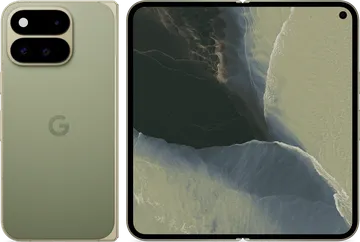 Google Pixel 11 Pro Fold | 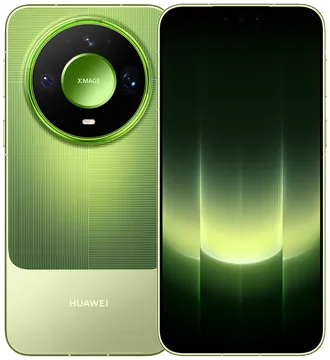 Huawei Mate 90 Pro Max Collector's Edition |
|---|---|---|
| Preis | Ab 1.728 € | Ab 1.499 € |
| Gehäuse | ||
| Höhe × Breite × Tiefe | 155,2 × 76,0 × 10,1 mm | 164,5 × 78,7 × 8,15 mm |
| Gewicht | 239 g | 235 g |
| Rahmen | Aluminiumlegierung (Luftfahrtqualität, satiniert); Scharnier aus Mehrfachlegierungsstahl mit Abdeckung aus Luftfahrt-Aluminium | Einteiliges Gehäuse aus Titan |
| Rückseite | Matte Rückseite aus Verbundmaterial | — |
| Wasser- & Staubschutz | IP68 | IP68 (6 m) / IP69 |
| Farben | Oliv, Obsidian | Florenzgrün, Roségold, Kristalldiamantweiß, Obsidianschwarz |
| Display | ||
| Größe | 8,0″ | 6,9″ |
| Auflösung | 2076x2152 | 1320x2848 |
| Pixeldichte | 372 ppi | 455 ppi |
| Seitenverhältnis | 9.3:9 | 19.4:9 |
| Bildwiederholrate | 120 Hz | 1–120 Hz (LTPO) |
| Spitzenhelligkeit | 3.600 Nits | 12.000 Nits |
| Paneltyp | Innen 8″ OLED (Super Actua Flex, 1–120 Hz); außen 6,5″ OLED 1080 × 2342, 399 ppi | Tandem-OLED, 1440 Hz PWM, 300 Hz Touch-Abtastrate, BT.2020 |
| Schutzglas | Innen: ultradünnes Glas (UTG); außen: Glaskeramik | Xuanwu-Kunlun-Glas |
| Leistung | ||
| Chip | Google Tensor G6 | Kirin 9050 Pro |
| RAM + Speicher | 16+256 · 16+512 · 16+1TB | 16+512 · 16+1TB |
| Akku & Laden | ||
| Kapazität | 4.806 mAh | 6.800 mAh |
| Kabelgebundenes Laden | — | 100 W |
| Kabelloses Laden | 25 W | 50 W |
| Reverse Charging | — | 18 W |
| Kameras | ||
| Hauptkamera | 48-MP-Weitwinkel ƒ/1,70, 1/1,56″ | 50 MP, variable Blende f/1,4–f/4,0, OIS, RYYB (24 mm) |
| Ultraweitwinkel | 10,5-MP-Ultraweitwinkel ƒ/2,2, 127°, Autofokus | 40 MP f/2,2, RYYB (13 mm) |
| Tele | 10,8-MP-Tele ƒ/3,1, 5× optisch, OIS | 200-MP-Tele mit großem Sensor f/2,6, OIS, Makro, RYYB, 4× optisch (89 mm) |
| Frontkamera | Außen 10 MP ƒ/2,2; innen 10 MP ƒ/2,2 | 13-MP-Ultraweitwinkel f/2,0 mit Autofokus + 3D-Tiefenkamera |
| Video | — | 4K (3840x2160) |
| Kamera & Funktionen | ||
| Kamera-Partner | — | XMAGE |
| Optischer Zoom | 5× | 4× |
| Verlustfreier Zoom | Optische Qualität bei 0,5×, 1×, 2×, 5×, 10× | 8× Zoom in optischer Qualität |
| Max. Digitalzoom | 30× | 100× |
| Telekonverter-Set | — | HUAWEI XMAGE Z10 Modulkamera |
| Kamerafunktionen | 4K mit 60 fps, Super Zoom bis zu 30×, Nachtsicht-Video, Video Boost, 10-Bit-HDR-Video, Makrofokus, Kamera-Coach, Magic Capture, Kamera-Looks, Zeitlupe bis zu 240 fps | 200-MP-Tele mit großem Sensor und Makro, 18 EV Dynamikumfang der Hauptkamera (Labor), Variable Blende f/1,4–f/4,0, Video-Log, HDR-Vivid-Video, 20× Tele-Video, 4K-Video |
| Schnellladestandard | USB-C PPS; Pixelsnap Qi2.2 kabellos | HUAWEI SuperCharge (100 W kabelgebunden, 50 W kabellos); 18 W Reverse Charging per Kabel + kabellos |
| Netzteil im Lieferumfang | Nein | Ja |
| Fingerabdrucksensor | Seitentaste | Seitentaste |
| Gesichtsentsperrung | — | 3D |
| Stereolautsprecher | Ja | Ja |
| Kopfhöreranschluss | — | Nein |
| IR-Sender | — | Nein |
| Speicherkarte | — | Nein |
| eSIM | Ja | Ja |
| Satellit | Notruf SOS über Satellit | BeiDou-Satellitennachrichten inkl. Bildern (nur Festlandchina) |
| KI-Funktionen | Gemini Intelligence, Gemini Nano, Gemini Live, Circle to Search, Live-Übersetzung, Anrufassistent, Kamera-Coach, Magischer Radierer, Bester Schnappschuss, Ich bin dabei, Magischer Audio-Radierer, Gebärdensprache (ASL) zu Text in Live Transcribe/Gboard | Notizen mit Xiaoyi, Xiaoyi-Anrufe: KI-Anrufannahme, Echtzeit-Übersetzung, Zusammenfassungen, Fotobearbeitung mit einem Satz, Videoerstellung mit einem Satz, KI-Vorschläge für Bildkomposition und Posen |
| Google Play | ja | nein (China-ROM) |
| Sonstiges | NFC, UWB, Wi-Fi 7, Bluetooth 6, Zweifrequenz-GNSS, USB-C 3.2, Pixelsnap-Magnete (Qi2.2), HiLight-LED-Ring um den Blitz, Zahnradloses Scharnier, IP68, 5G mmWave, 16 GB RAM, 7 Jahre System- und Sicherheitsupdates | NFC, NearLink E2.0, Zweifrequenz-GPS (L1 + L5), 4 Rufnummern (2 Nano-SIM + 2 eSIM), 3 gleichzeitig aktiv, IP68/IP69, Wi-Fi 7, Bluetooth 6.0, HarmonyOS 7.0, Kunlun-Glas, Notruf über die gekoppelte Uhr, Kunlun-Glas der Collector’s Edition: 16× kratzfester, 70 % weniger Spiegelungen (ggü. Standard) |
| Konnektivität | ||
| 5G | Sub-6: n1/2/3/5/7/8/12/13/14/20/25/26/28/29/30/38/40/41/48/66/70/71/75/77/78/79; mmWave n257/258/260/261 | — |
| Wi-Fi | WLAN 7 (802.11be) (2,4/5/6 GHz) | WLAN 7 (802.11a/b/g/n/ac/ax/be), 2 × 2 MIMO, EHT160 |
| Bluetooth | 6 | 6.0 (LDAC, L2HC) |
| NFC | Ja | Ja |
| USB | USB-C 3.2 | USB-C, USB 3.1 Gen 1 |
| Satellit | — | BeiDou-Satelliten-Messaging (nur Festlandchina) |
| SIM | Dual-SIM (eine Nano-SIM + eSIM) | Dual-Nano-SIM + eSIM (bis zu 2 eSIM-Nummern) |
| Software & Marktstart | ||
| Betriebssystem bei Marktstart | Android 17 | HarmonyOS 7.0 |
| Updates | 7 Jahre System-, Sicherheits- und Pixel-Drop-Updates | — |
| Vorgestellt | 2026-08-12 | 2026-10-01 |
| Marktstart | 2026-08-20 | 2026-10-01 |
Häufige Fragen
Google Pixel 11 Pro Fold oder Huawei Mate 90 Pro Max Collector's Edition: welches hat den größeren Akku?
Das Huawei Mate 90 Pro Max Collector's Edition hat den größeren Akku: 6.800 mAh, 41% mehr als 4.806 mAh.
Google Pixel 11 Pro Fold oder Huawei Mate 90 Pro Max Collector's Edition: welches ist günstiger?
Das Huawei Mate 90 Pro Max Collector's Edition ist 229 € günstiger (1.499 € vs. 1.728 €).
Google Pixel 11 Pro Fold oder Huawei Mate 90 Pro Max Collector's Edition: welches ist leichter?
Ähnliches Gewicht: 239 g vs. 235 g.
Google Pixel 11 Pro Fold oder Huawei Mate 90 Pro Max Collector's Edition: welches ist besser für Zoomfotos?
Das Google Pixel 11 Pro Fold zoomt weiter: 5× optisch vs. 4×.
Google Pixel 11 Pro Fold oder Huawei Mate 90 Pro Max Collector's Edition: welche Chips stecken drin?
Chips: Google Pixel 11 Pro Fold mit Tensor G6, Huawei Mate 90 Pro Max Collector's Edition mit Kirin 9050 Pro.
Ähnliche Vergleiche
Daten von blog.google, engadget.com, store.google.com und 4 weiteren offiziellen Seiten und Presseberichten; Preis geprüft am 2026-10-27; Seite aktualisiert am 2026-11-22.
Google Pixel 11 Pro Fold · Huawei Mate 90 Pro Max Collector's Edition