Huawei Mate 90 RS Ultimate Design vs Samsung Galaxy Z Fold8
Elige el Huawei Mate 90 RS Ultimate Design por batería, carga, carga inalámbrica, brillo, zoom; elige el Samsung Galaxy Z Fold8 por precio, peso.
Diferencias clave
- El Samsung Galaxy Z Fold8 cuesta 109 € menos (1662 € frente a 1771 €)
- El Huawei Mate 90 RS Ultimate Design tiene más batería: 6800 mAh, un 42% más que 4800 mAh
- El Huawei Mate 90 RS Ultimate Design carga más rápido: 100 W por cable frente a 45 W
- Carga inalámbrica más rápida en el Huawei Mate 90 RS Ultimate Design: 50 W frente a 20 W
- El Samsung Galaxy Z Fold8 es más ligero: 201 g, 47 g menos
- El Samsung Galaxy Z Fold8 tiene la pantalla más grande (7,6″ frente a 6,9″); el Huawei Mate 90 RS Ultimate Design se usa mejor con una mano
- La pantalla del Huawei Mate 90 RS Ultimate Design es más brillante: 12.000 nits de pico frente a 3000 nits
- Solo el Huawei Mate 90 RS Ultimate Design tiene teleobjetivo
- Chips: Huawei Mate 90 RS Ultimate Design con Kirin 9050 Pro, Samsung Galaxy Z Fold8 con Snapdragon 8 Elite Gen 5 for Galaxy
- El Huawei Mate 90 RS Ultimate Design es más reciente: oct. 2026 frente a jul. 2026
| Característica | 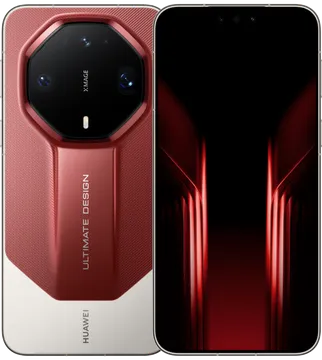 Huawei Mate 90 RS Ultimate Design | 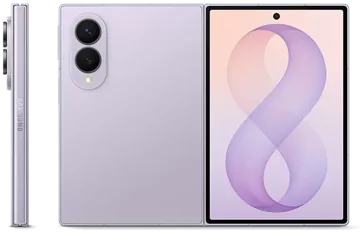 Samsung Galaxy Z Fold8 |
|---|---|---|
| Precio | Desde 1771 € | Desde 1662 € |
| Cuerpo | ||
| Alto × ancho × grosor | 164,5 × 78,7 × 8,4 mm | 123,9 × 81,9 × 9,7 mm |
| Peso | 248 g | 201 g |
| Marco | Titanio de alto brillo | — |
| Resistencia al agua y al polvo | IP68 (6 m) / IP69 | IP48 |
| Colores | Rojo Rui, Blanco Hao, Negro Xuan | Grafito, Crema, Lavanda, Pistacho |
| Pantalla | ||
| Tamaño | 6,9″ | 7,6″ |
| Resolución | 1320x2848 | 1848x2448 |
| Densidad de píxeles | 455 ppi | 403 ppi |
| Relación de aspecto | 19.4:9 | 11.9:9 |
| Tasa de refresco | 1–120 Hz (LTPO) | 120 Hz |
| Brillo máximo | 12.000 nits | 3000 nits |
| Panel | OLED de doble capa, PWM de 1440 Hz, táctil de 300 Hz, BT.2020 | Interior de 7,6″ Dynamic AMOLED 2X (QXGA+, 4:3); exterior de 5,5″ Dynamic AMOLED 2X 1248 × 1972 |
| Protección | Cristal Kunlun Xuanwu | — |
| Rendimiento | ||
| Chip | Kirin 9050 Pro | Snapdragon 8 Elite Gen 5 for Galaxy |
| CPU | — | 8 núcleos, 4,74 GHz + 3,6 GHz |
| GPU | — | GPU Adreno |
| RAM + almacenamiento | 16+512 · 16+1TB · 16+2TB | 12+256 · 12+512 · 16+1TB |
| Batería y carga | ||
| Capacidad | 6800 mAh | 4800 mAh |
| Carga por cable | 100 W | 45 W |
| Carga inalámbrica | 50 W | 20 W |
| Carga inversa | 18 W | — |
| Cámaras | ||
| Principal | 50 MP, apertura variable f/1,4–f/4,0, OIS, RYYB (24 mm) | Gran angular de 50 MP F1,8, OIS |
| Ultra gran angular | 40 MP f/2,2, RYYB (13 mm) | Ultra gran angular de 50 MP F1,9 |
| Teleobjetivo | Teleobjetivo de sensor grande y 200 MP f/2,6, OIS, macro, RYYB, 4× óptico (89 mm) | — |
| Frontal | Ultra gran angular de 13 MP f/2,0 con AF + cámara de profundidad 3D | Exterior 10 MP F2,2; interior 10 MP F2,2 |
| Vídeo | 4K (3840x2160) | 8K a 30 fps |
| Cámara y funciones | ||
| Socio de cámara | XMAGE | — |
| Zoom óptico | 4× | — |
| Zoom sin pérdida | Zoom 8× de calidad óptica | Zoom 2× de calidad óptica (sensor Adaptive Pixel) |
| Zoom digital máximo | 100× | 10× |
| Kit de teleconvertidor | Cámara modular HUAWEI XMAGE Z10 | — |
| Funciones de cámara | Teleobjetivo de sensor grande y 200 MP con macro, Rango dinámico de 18 EV en la cámara principal (laboratorio), Apertura variable f/1,4–f/4,0, Vídeo Log, Vídeo HDR Vivid, Vídeo con teleobjetivo de 20×, Vídeo 4K | Vídeo 8K a 30 fps, Cámara lenta FHD a 240 fps |
| Estándar de carga rápida | HUAWEI SuperCharge (100 W por cable, 50 W inalámbrica); carga inversa por cable de 18 W + inalámbrica | Carga superrápida (45 W) / carga inalámbrica rápida |
| Cargador incluido | Sí | — |
| Huella dactilar | Botón lateral | — |
| Desbloqueo facial | 3D | — |
| Altavoces estéreo | Sí | Sí |
| Conector de auriculares | No | No |
| Emisor de infrarrojos | No | — |
| Tarjeta de memoria | No | — |
| eSIM | Sí | Sí |
| Satélite | Comunicación por satélite Tiantong (requiere servicio del operador) + mensajes por satélite BeiDou (solo China continental) | — |
| Funciones de IA | — | Now Nudge, Now Brief, Personal Data Engine |
| Google Play | no (ROM china) | no (ROM china) |
| Otros | NFC, NearLink E2.0, GPS de doble frecuencia (L1 + L5), 4 números (2 nano-SIM + 2 eSIM), 3 activos, IP68/IP69, HarmonyOS 7.0, Marco Xuanwu de titanio, cristal Kunlun, Doble chip de seguridad, Llamada de emergencia desde el reloj vinculado | NFC, UWB, IP48, Wireless PowerShare, Samsung DeX, Wi-Fi 7, Bluetooth 6.0, GPS/GLONASS/BeiDou/Galileo/QZSS, Armor FlexHinge, Flex Titanium, Fundas magnéticas (gama Magnet Case) |
| Conectividad | ||
| 5G | — | FDD n1/2/3/5/7/8/12/20/25/28/66; TDD n38/40/41/77/78/79 (Sub-6) |
| Wi-Fi | Wi-Fi 7 (802.11a/b/g/n/ac/ax/be), MIMO 2×2, EHT160 | Wi-Fi 7 (802.11be) 2,4 GHz + 5 GHz |
| Bluetooth | 6.0 (LDAC, L2HC) | 6.0 |
| NFC | Sí | Sí |
| USB | USB-C, USB 3.1 Gen 1 | USB tipo C, USB 3.2 Gen 1 |
| Satélite | Comunicación por satélite Tiantong + mensajería por satélite BeiDou (BeiDou solo en China continental; Tiantong requiere servicio del operador) | — |
| SIM | Doble nano-SIM + eSIM (hasta 2 números eSIM) | nano-SIM + eSIM (o doble eSIM) |
| Software y lanzamiento | ||
| Sistema al lanzamiento | HarmonyOS 7.0 | Android 17 / One UI 9 |
| Actualizaciones | — | Actualizaciones de seguridad hasta el 31 de julio de 2033 (web oficial china) |
| Anunciado | 2026-10-01 | 2026-07-22 |
| Lanzamiento | 2026-10-01 | — |
Preguntas frecuentes
Huawei Mate 90 RS Ultimate Design o Samsung Galaxy Z Fold8: ¿cuál tiene más batería?
El Huawei Mate 90 RS Ultimate Design tiene más batería: 6800 mAh, un 42% más que 4800 mAh.
Huawei Mate 90 RS Ultimate Design o Samsung Galaxy Z Fold8: ¿cuál es más barato?
El Samsung Galaxy Z Fold8 cuesta 109 € menos (1662 € frente a 1771 €).
Huawei Mate 90 RS Ultimate Design o Samsung Galaxy Z Fold8: ¿cuál carga más rápido?
El Huawei Mate 90 RS Ultimate Design carga más rápido: 100 W por cable frente a 45 W.
Huawei Mate 90 RS Ultimate Design o Samsung Galaxy Z Fold8: ¿cuál es más ligero?
El Samsung Galaxy Z Fold8 es más ligero: 201 g, 47 g menos.
Huawei Mate 90 RS Ultimate Design o Samsung Galaxy Z Fold8: ¿cuál es mejor para fotos con zoom?
Solo el Huawei Mate 90 RS Ultimate Design tiene teleobjetivo.
Huawei Mate 90 RS Ultimate Design o Samsung Galaxy Z Fold8: ¿qué chips llevan?
Chips: Huawei Mate 90 RS Ultimate Design con Kirin 9050 Pro, Samsung Galaxy Z Fold8 con Snapdragon 8 Elite Gen 5 for Galaxy.
Comparativas relacionadas
Datos de consumer.huawei.com, vmall.com, ithome.com y 3 páginas oficiales y de prensa más; precio comprobado el 2026-10-27; página actualizada el 2026-11-22.