Comparar
iQOO 15 Ultra vs OPPO Find X10 Pro Max
Elige el iQOO 15 Ultra por precio, carga, peso, brillo; elige el OPPO Find X10 Pro Max por batería, carga inalámbrica.
Diferencias clave
- El iQOO 15 Ultra cuesta 41 € menos (886 € frente a 926 €)
- El OPPO Find X10 Pro Max tiene más batería: 8000 mAh, un 8% más que 7400 mAh
- El iQOO 15 Ultra carga más rápido: 100 W por cable frente a 80 W
- Carga inalámbrica más rápida en el OPPO Find X10 Pro Max: 50 W frente a 40 W
- El iQOO 15 Ultra es más ligero: 227 g, 8 g menos
- Mismo tamaño de pantalla, unas 6,85″
- La pantalla del iQOO 15 Ultra es más brillante: 8000 nits de pico frente a 2000 nits
- Mismo zoom: 3× cada uno
- Chips: iQOO 15 Ultra con Snapdragon 8 Elite Gen 5, OPPO Find X10 Pro Max con Dimensity 9600 Pro
- El OPPO Find X10 Pro Max es más reciente: sept. 2026 frente a feb. 2026
| Característica | 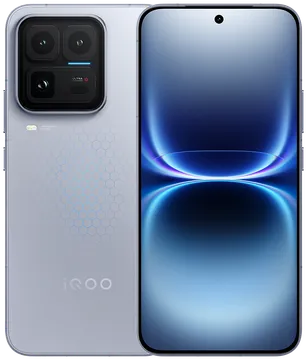 iQOO 15 Ultra | 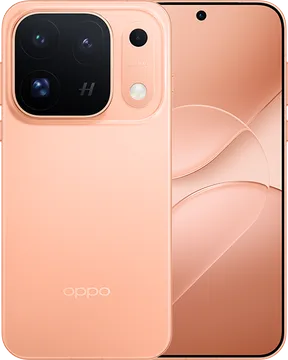 OPPO Find X10 Pro Max |
|---|---|---|
| Precio | Desde 886 € | Desde 926 € |
| Cuerpo | ||
| Alto × ancho × grosor | 163,65 × 76,8 × 8,7 mm | 161,32 × 76,57 × 8,4 mm |
| Peso | 227 g | 235 g |
| Marco | Metal (marco metálico mate, fresco al tacto) | — |
| Parte trasera | Trasera AG micromate (material no indicado) | — |
| Resistencia al agua y al polvo | IP68/IP69 | IP66/IP68/IP69 |
| Colores | 2077 (Negro), 2049 (Plata) | Titanio claro, Naranja cálido, Blanco luna |
| Pantalla | ||
| Tamaño | 6,85″ | 6,78″ |
| Resolución | 3168x1440 | 2772x1272 |
| Densidad de píxeles | 508 ppi | 450 ppi |
| Relación de aspecto | 19.8:9 | 19.6:9 |
| Tasa de refresco | 144 Hz | 144 Hz |
| Brillo máximo | 8000 nits | 2000 nits |
| Panel | AMOLED | AMOLED flexible |
| Rendimiento | ||
| Chip | Snapdragon 8 Elite Gen 5 | MediaTek Dimensity 9600 Pro |
| Proceso | 3 nm | 2 nm |
| CPU | 8 núcleos: 2× 4,6 GHz + 6× 3,62 GHz | 8 núcleos, hasta 4,55 GHz |
| GPU | Adreno 840 | Arm Mali G2-Ultra |
| RAM + almacenamiento | 16+256 · 16+512 · 16+1024 · 24+1024 | 12+256 · 12+512 · 16+512 · 16+1TB |
| Batería y carga | ||
| Capacidad | 7400 mAh | 8000 mAh |
| Carga por cable | 100 W | 80 W |
| Carga inalámbrica | 40 W | 50 W |
| Cámaras | ||
| Principal | Principal Sony de sensor grande y 50 MP con superestabilización, f/1,88, OIS | 200 MP f/1,5 24 mm, OIS de 2 ejes |
| Ultra gran angular | Ultra gran angular de 50 MP, f/2,05 | 200 MP f/2,2 13 mm 124° |
| Teleobjetivo | Teleobjetivo periscópico Sony de 50 MP, f/2,65, OIS, 3× | 200 MP f/2,1 70 mm, 3× óptico, OIS de 2 ejes |
| Frontal | 32 MP, f/2,2 | 50 MP f/2,0 18 mm AF |
| Vídeo | 8K (trasera); frontal 4K | 8K a 30 fps |
| Cámara y funciones | ||
| Socio de cámara | — | Hasselblad |
| Zoom óptico | 3× | 3× |
| Zoom sin pérdida | Zoom 6× de calidad sin pérdida | 6× sin pérdida (140 mm); 10×/20×/40× con el kit de teleconvertidor Hasselblad |
| Zoom digital máximo | 100× | 120× |
| Kit de teleconvertidor | — | Kit de teleconvertidor OPPO Hasselblad |
| Funciones de cámara | Vídeo 8K trasero, Vídeo frontal 4K, Maestro del paisaje con IA | 8K a 30 fps en Log de 10 bits (O-Log2, ACES), 4K a 120 fps en Dolby Vision, Vídeo HDR de 17 pasos, Foto en movimiento de vídeo 4K, Estabilización híbrida OIS + EIS, 200 MP en las tres cámaras traseras |
| Estándar de carga rápida | vivo FlashCharge, compatible con PD/PPS | SUPERVOOC / AIRVOOC inalámbrica, UFCS de 80 W |
| Cargador incluido | Sí | Sí |
| Huella dactilar | Ultrasónico en pantalla | Ultrasónico en pantalla |
| Desbloqueo facial | 2D | — |
| Altavoces estéreo | Sí | Sí |
| Conector de auriculares | No | No |
| Emisor de infrarrojos | Sí | Sí |
| Tarjeta de memoria | No | No |
| eSIM | — | No |
| Satélite | — | ninguno |
| Háptica | Motor lineal de dos ejes X+Z | Motor háptico biónico de nivel Ultra |
| Refrigeración | 17 × 17 mm, 59 aspas | Refrigeración 3D Cryo-velocity con cámara de vapor grande |
| Botones especiales | Gatillos gaming | — |
| Funciones de IA | Maestro del paisaje con IA, Motor de señal gaming con IA 2.0 | — |
| Google Play | no (ROM china) | no (ROM china) |
| Otros | NFC, IP68/IP69, GPS de doble frecuencia (L1 + L5), Chip gaming propio Q3, Muestreo táctil de 4000 Hz, Carga inversa OTG, Carga bypass, Funda incluida en la caja | NFC, GPS de doble frecuencia (L1 + L5), IP66/IP68/IP69 |
| Conectividad | ||
| 5G | Sí, doble SIM 5G (5G + 5G); n1/n2/n3/n5/n7/n8/n12/n18/n20/n25/n26/n28A/n28B/n38/n40/n41/n48/n66/n75/n77/n78/n79/n80/n81/n83/n84/n89/n91/n92/n93/n94 | Sí |
| Wi-Fi | Wi-Fi 7 | Wi-Fi 7 |
| Bluetooth | 6.0 | 6.2 |
| NFC | Sí | Sí |
| USB | Tipo C, USB 3.2 Gen1 | USB tipo C, USB 3.2 Gen 1 |
| SIM | Doble nano-SIM | nano-SIM + nano-SIM (doble SIM) |
| Software y lanzamiento | ||
| Sistema al lanzamiento | OriginOS 6 (Android 16) | ColorOS 17.0 |
| Anunciado | 2026-02-04 | 2026-09-22 |
| Lanzamiento | — | 2026-09-24 |
Preguntas frecuentes
iQOO 15 Ultra o OPPO Find X10 Pro Max: ¿cuál tiene más batería?
El OPPO Find X10 Pro Max tiene más batería: 8000 mAh, un 8% más que 7400 mAh.
iQOO 15 Ultra o OPPO Find X10 Pro Max: ¿cuál es más barato?
El iQOO 15 Ultra cuesta 41 € menos (886 € frente a 926 €).
iQOO 15 Ultra o OPPO Find X10 Pro Max: ¿cuál carga más rápido?
El iQOO 15 Ultra carga más rápido: 100 W por cable frente a 80 W.
iQOO 15 Ultra o OPPO Find X10 Pro Max: ¿cuál es más ligero?
El iQOO 15 Ultra es más ligero: 227 g, 8 g menos.
iQOO 15 Ultra o OPPO Find X10 Pro Max: ¿cuál es mejor para fotos con zoom?
Mismo zoom: 3× cada uno.
iQOO 15 Ultra o OPPO Find X10 Pro Max: ¿qué chips llevan?
Chips: iQOO 15 Ultra con Snapdragon 8 Elite Gen 5, OPPO Find X10 Pro Max con Dimensity 9600 Pro.
Comparativas relacionadas
iQOO 15 Ultra vs Honor Magic9 Pro MaxiQOO 15 Ultra vs Huawei Pura 90 Pro MaxiQOO 15 Ultra vs vivo X500 ProiQOO 15 Ultra vs Google Pixel 11OPPO Find X10 Pro Max vs Huawei Mate 90 ProOPPO Find X10 Pro Max vs vivo X500 Pro MaxOPPO Find X10 Pro Max vs Xiaomi 18 Pro MaxOPPO Find X10 Pro Max vs Honor Magic9 Pro Max
Datos de ithome.com, vivo.com.cn, shop.vivo.com.cn y 2 páginas oficiales y de prensa más; precio comprobado el 2026-10-27; página actualizada el 2026-11-22.